
Buenos Aires (Argentina), 11 Nov. (LaPresse) – The venue chosen for the Pope’s Mass in Córdoba, Argentina, was the Fabbrica Argentina di Aeromobili complex, a facility run by the air force for much of the 20th century, where the attack aircraft were built that the Argentine armed forces first used in late 1975 to strike against left-wing guerrillas. That counter-insurgency campaign was the prelude to the state-sponsored terror unleashed during the military dictatorship of 1976–1983, during which, according to estimates, around 30,000 people were killed or went missing. After the Mass, Leo XIV met in private with twenty people selected by the archbishop, including Alba Camargo, whose father, stepmother, aunt and uncle are all ‘desaparecidos’ – people who disappeared during the Argentine military dictatorship of 1976–1983. Camargo said she told the Pope that she had come on behalf of relatives who are still searching for the remains of the victims at La Perla, a former clandestine detention centre on the outskirts of Córdoba, and that she had handed him a folder containing photos of the excavations and the names of those identified so far. “He nodded, as if he already knew everything, and, looking deeply into my eyes, he took my hand and blessed the Franciscan crosses I had brought him,” she told the Associated Press.
Pope Leo XIV: meeting in Córdoba with a daughter of the ‘desaparecidos’
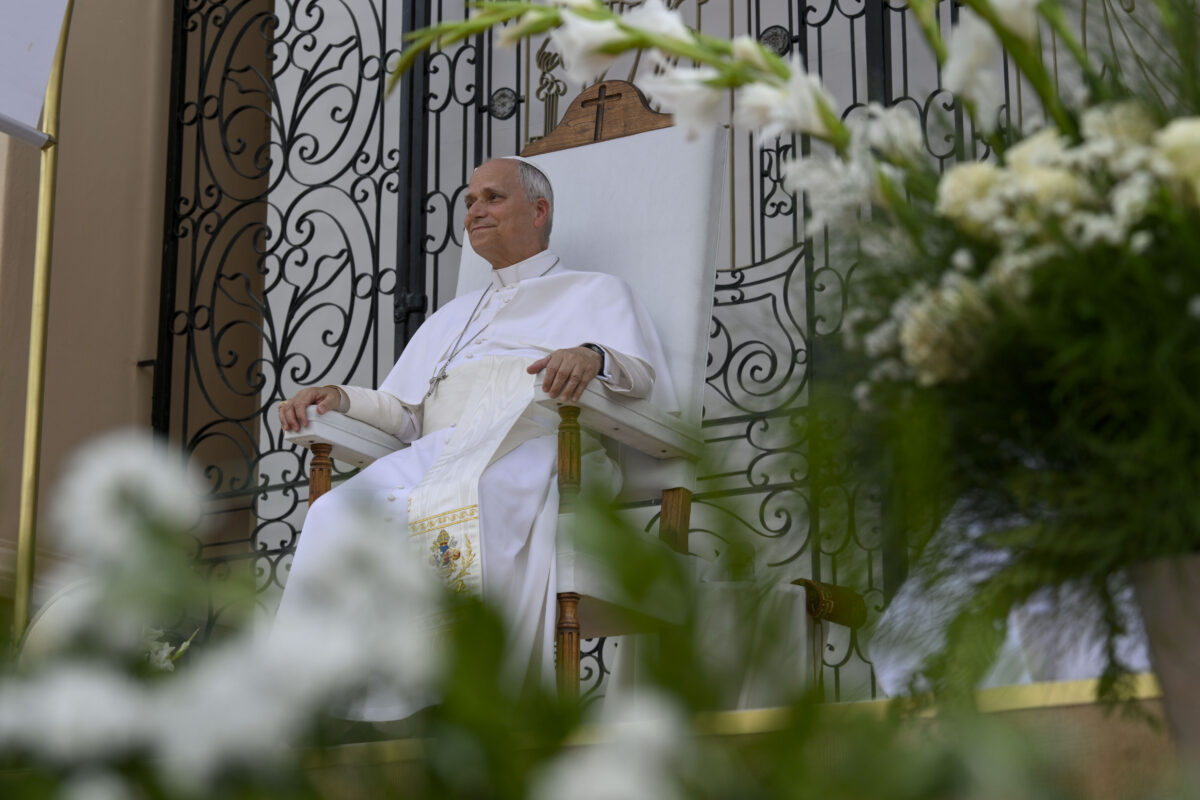

Buenos Aires (Argentina), 11 Nov. (LaPresse) – The venue chosen for the Pope’s Mass in Córdoba, Argentina, was the Fabbrica Argentina di Aeromobili complex, a facility run by the air force for much of the 20th century, where the attack aircraft were built that the Argentine armed forces first used in late 1975 to strike against left-wing guerrillas. That counter-insurgency campaign was the prelude to the state-sponsored terror unleashed during the military dictatorship of 1976–1983, during which, according to estimates, around 30,000 people were killed or went missing. After the Mass, Leo XIV met in private with twenty people selected by the archbishop, including Alba Camargo, whose father, stepmother, aunt and uncle are all ‘desaparecidos’ – people who disappeared during the Argentine military dictatorship of 1976–1983. Camargo said she told the Pope that she had come on behalf of relatives who are still searching for the remains of the victims at La Perla, a former clandestine detention centre on the outskirts of Córdoba, and that she had handed him a folder containing photos of the excavations and the names of those identified so far. “He nodded, as if he already knew everything, and, looking deeply into my eyes, he took my hand and blessed the Franciscan crosses I had brought him,” she told the Associated Press.