
Milan, 25 Oct. (LaPresse) – The final stage of a presidential election that has deeply divided the country: today is the day when Brazilian citizens must choose between the incumbent president, Luiz Inácio Lula da Silva, and his challenger, Flavio Bolsonaro, son of former president Jair, who is currently in prison for his involvement in a plot to overturn the result of the 2022 presidential election. Polls suggest a tight race, with Lula having closed much of the gap on Bolsonaro recorded in the first round. However, Bolsonaro is still said to be ahead, albeit by a narrow margin. Bolsonaro beat Lula by over 2.2 million votes in the first round, held earlier this month, but more than 33 million voters out of nearly 160 million abstained. Lula portrays Bolsonaro as a threat to democracy, whilst Bolsonaro promises economic reforms. The election reflects the country’s divided political landscape, with potentially major geopolitical implications, particularly for relations between the United States and Brazil. Furthermore, the next president will appoint at least three of the eleven Supreme Court justices during their term of office, due to upcoming retirements within the court. Bolsonaro has long targeted the country’s highest court, which has been rocked by a corruption scandal, and has promised to push for reform of the judicial system.
Brazil: Presidential run-off between Lula and Bolsonaro takes place today
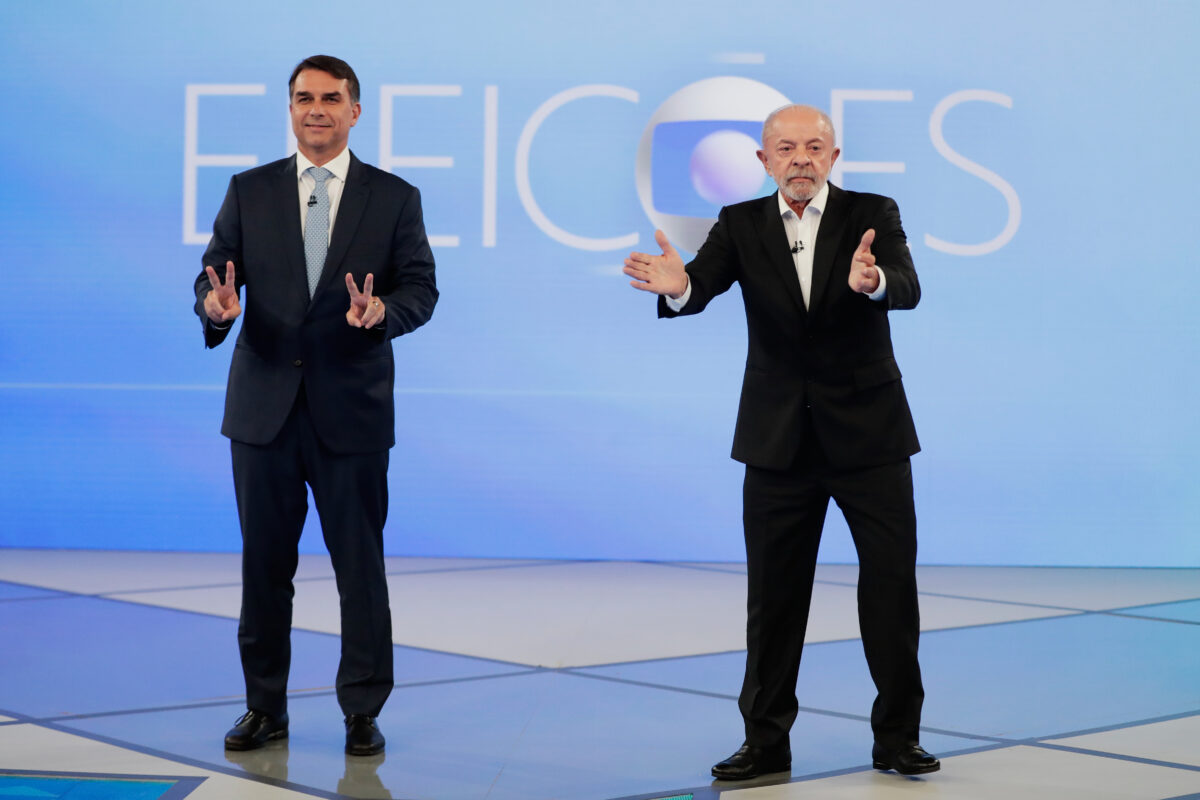

Milan, 25 Oct. (LaPresse) – The final stage of a presidential election that has deeply divided the country: today is the day when Brazilian citizens must choose between the incumbent president, Luiz Inácio Lula da Silva, and his challenger, Flavio Bolsonaro, son of former president Jair, who is currently in prison for his involvement in a plot to overturn the result of the 2022 presidential election. Polls suggest a tight race, with Lula having closed much of the gap on Bolsonaro recorded in the first round. However, Bolsonaro is still said to be ahead, albeit by a narrow margin. Bolsonaro beat Lula by over 2.2 million votes in the first round, held earlier this month, but more than 33 million voters out of nearly 160 million abstained. Lula portrays Bolsonaro as a threat to democracy, whilst Bolsonaro promises economic reforms. The election reflects the country’s divided political landscape, with potentially major geopolitical implications, particularly for relations between the United States and Brazil. Furthermore, the next president will appoint at least three of the eleven Supreme Court justices during their term of office, due to upcoming retirements within the court. Bolsonaro has long targeted the country’s highest court, which has been rocked by a corruption scandal, and has promised to push for reform of the judicial system.