
Nashville (Tennessee, USA), Oct. 1 (LaPresse) – Christa Pike, the only woman sentenced to death in Tennessee, in the U.S., in the past 200 years, survived the two lethal doses of pentobarbital administered during the execution, according to reports from media present. Tennessee authorities were unable to carry out the woman’s death sentence, after she was convicted of a murder committed in 1995, after administering two doses of the lethal drug. The lethal injection execution had been suspended for several hours while the courts considered an appeal filed at the last minute. The procedure had been scheduled after the U.S. Supreme Court overturned an appeals court decision that had blocked the lethal injection just one hour before it was scheduled to begin. Late Wednesday evening, Pike’s lawyers filed an emergency petition with the U.S. Supreme Court to immediately block and suspend the execution, arguing that the woman was suffering “unnecessary suffering” in violation of her right not to be subjected to cruel punishment. They also filed petitions with the Sixth Circuit Court and the district court. The execution of Pike, 50, had been scheduled for 10 p.m. Wednesday for the murder committed when she was 18: she would have been the first woman executed in Tennessee in more than two centuries. According to her lawyers, Pike was alive and snoring loudly after the lethal injection attempt and was taken by ambulance out of the prison. “We have not been informed about her condition,” Pike’s lawyers said in a statement. Officials administered two doses of pentobarbital to Pike, her lawyers said in court filings late Wednesday evening. Robin M. Maher, executive director of the Death Penalty Information Center, described Pike’s experience as “unique and unprecedented.” Pike’s lawyers said: “We take no satisfaction in having been proven right, but the concerns raised by Ms. Pike proved well-founded: difficulty accessing a vein, ruptured veins, degraded pentobarbital, lack of emergency medical assistance when things inevitably go wrong; all within a protocol that remains shrouded in secrecy.” Media representatives, who were observing from a separate room, reported that at 7:27 p.m. officials opened the curtains of the execution chamber, showing Pike strapped to a gurney. Pike remained conscious and, at one point, raised her head and asked prison officials whether it was normal for her arm to feel that way. It was not clear what she was referring to.Seven other people survived medical complications caused by the execution team’s inability to locate a vein to administer the lethal injection drugs, but no one remained alive after receiving the drugs used in such executions, Maher said.
USA, Christa Pike survives 2 injections: lawyers ask to stop execution
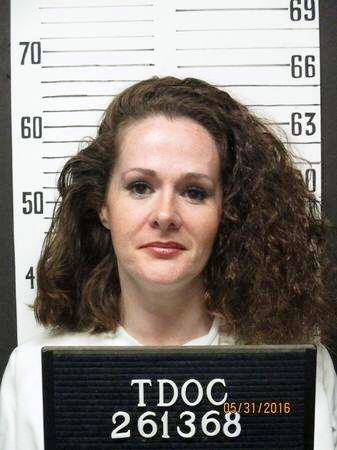

Nashville (Tennessee, USA), Oct. 1 (LaPresse) – Christa Pike, the only woman sentenced to death in Tennessee, in the U.S., in the past 200 years, survived the two lethal doses of pentobarbital administered during the execution, according to reports from media present. Tennessee authorities were unable to carry out the woman’s death sentence, after she was convicted of a murder committed in 1995, after administering two doses of the lethal drug. The lethal injection execution had been suspended for several hours while the courts considered an appeal filed at the last minute. The procedure had been scheduled after the U.S. Supreme Court overturned an appeals court decision that had blocked the lethal injection just one hour before it was scheduled to begin. Late Wednesday evening, Pike’s lawyers filed an emergency petition with the U.S. Supreme Court to immediately block and suspend the execution, arguing that the woman was suffering “unnecessary suffering” in violation of her right not to be subjected to cruel punishment. They also filed petitions with the Sixth Circuit Court and the district court. The execution of Pike, 50, had been scheduled for 10 p.m. Wednesday for the murder committed when she was 18: she would have been the first woman executed in Tennessee in more than two centuries. According to her lawyers, Pike was alive and snoring loudly after the lethal injection attempt and was taken by ambulance out of the prison. “We have not been informed about her condition,” Pike’s lawyers said in a statement. Officials administered two doses of pentobarbital to Pike, her lawyers said in court filings late Wednesday evening. Robin M. Maher, executive director of the Death Penalty Information Center, described Pike’s experience as “unique and unprecedented.” Pike’s lawyers said: “We take no satisfaction in having been proven right, but the concerns raised by Ms. Pike proved well-founded: difficulty accessing a vein, ruptured veins, degraded pentobarbital, lack of emergency medical assistance when things inevitably go wrong; all within a protocol that remains shrouded in secrecy.” Media representatives, who were observing from a separate room, reported that at 7:27 p.m. officials opened the curtains of the execution chamber, showing Pike strapped to a gurney. Pike remained conscious and, at one point, raised her head and asked prison officials whether it was normal for her arm to feel that way. It was not clear what she was referring to.Seven other people survived medical complications caused by the execution team’s inability to locate a vein to administer the lethal injection drugs, but no one remained alive after receiving the drugs used in such executions, Maher said.