
Washington (USA), 15 Sept. (LaPresse) – On Monday, the US Supreme Court rejected President Donald Trump’s attempt to impose restrictions on postal voting for the mid-term elections in the United States, putting an end to a series of last-minute legal challenges just as voting is already underway. The ruling allows states to continue sending out postal ballot papers in accordance with the same procedures used for years, through which almost a third of the total votes have been cast. This was a clear defeat for Trump on an issue that the tycoon has consistently emphasised as vital to ensuring the integrity of the elections, despite there being no evidence of fraud linked to postal voting. The majority of the Supreme Court did not set out the reasons for the decision in detail, as is customary for rulings on urgent matters. Two justices, Samuel Alito and Clarence Thomas, publicly expressed their dissent from the brief order. The Trump administration had asked the Court – once again at the centre of a heated political controversy – to give the green light to the restrictions ahead of the crucial November elections to determine control of Congress. In his dissenting opinion, Alito wrote that the Postal Service “has broad authority to regulate the postal service” and likely has the power to impose the restrictions sought by Trump.
US: Supreme Court rejects Trump’s voting restrictions for the mid-term elections
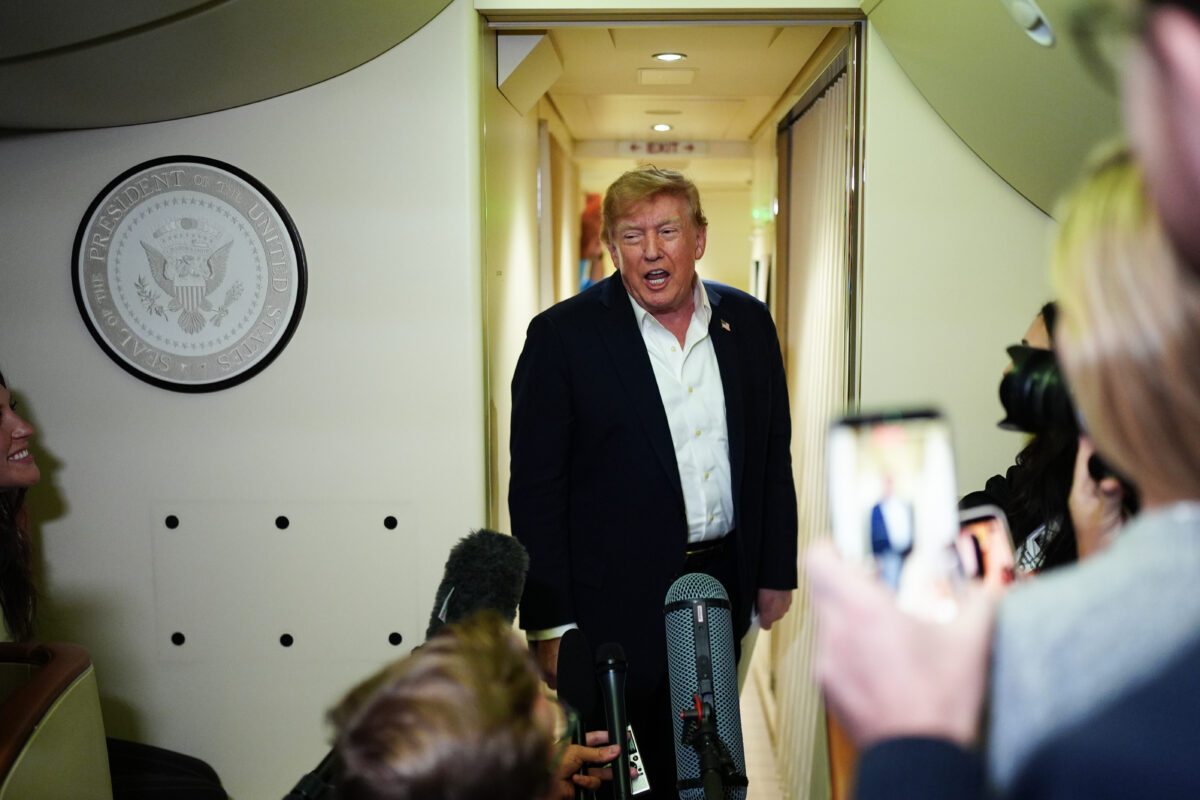

Washington (USA), 15 Sept. (LaPresse) – On Monday, the US Supreme Court rejected President Donald Trump’s attempt to impose restrictions on postal voting for the mid-term elections in the United States, putting an end to a series of last-minute legal challenges just as voting is already underway. The ruling allows states to continue sending out postal ballot papers in accordance with the same procedures used for years, through which almost a third of the total votes have been cast. This was a clear defeat for Trump on an issue that the tycoon has consistently emphasised as vital to ensuring the integrity of the elections, despite there being no evidence of fraud linked to postal voting. The majority of the Supreme Court did not set out the reasons for the decision in detail, as is customary for rulings on urgent matters. Two justices, Samuel Alito and Clarence Thomas, publicly expressed their dissent from the brief order. The Trump administration had asked the Court – once again at the centre of a heated political controversy – to give the green light to the restrictions ahead of the crucial November elections to determine control of Congress. In his dissenting opinion, Alito wrote that the Postal Service “has broad authority to regulate the postal service” and likely has the power to impose the restrictions sought by Trump.