
Turin, 31 Aug. (LaPresse) – “I have Parkinson’s. I was diagnosed in November 2020. A friend noticed the way I was moving my hands. Senator Graziano Delrio, who is a doctor, told me: ‘You’re dragging your feet; get yourself checked out.’ It is a disease still shrouded in mystery. Its causes are unknown. It is impossible to prevent. And only the symptoms can be treated: there is no cure, nor does it go into remission. The progression varies from case to case, but it is unstoppable.” PD Senator Dario Franceschini revealed in an interview with the *Corriere della Sera* that he is living with Parkinson’s disease. “Recently, a form of atypical parkinsonism has also developed alongside my condition: it affects my balance, which is becoming increasingly precarious, and causes difficulty speaking. Which, mind you, for a politician might even be a good thing…”, he continued, recounting the onset of the disease. “The diagnosis was a tremendous blow. I’d had a heart attack in 2014, plus a few other minor ailments that were successfully treated. But, in short, these were just the usual bumps in the road that we all sort of expect. Parkinson’s is a different kind of illness; it stays with you for life,” he continued. “My first thought? I thought of my wife, who is much younger than me, and my daughters. Irene, who was just five at the time. Caterina and Maria Elena, who are now 38 and 31 respectively. I imagined the pain, the suffering and the hardship I would cause everyone.” My next thought was an ‘instinctive reaction: to try to hide the illness. Those affected by Parkinson’s tend to feel ashamed. They slur their words, mumble, or stagger as they walk; they look like they’re drunk. Others are shaken by an uncontrollable tremor. In the collective imagination, there’s the boxer Muhammad Ali, who trembles all over, or Pope Wojtyla, isn’t there? These are different symptoms which, in most cases, nevertheless always trigger the same intense sense of embarrassment. Many sufferers are therefore inclined, quite literally, to hide away. Some even go so far as to conceal the diagnosis from their families; others decide to leave their jobs.” Instead, explains Franceschini, “it’s essential not to lose heart, to wake up in the morning with something to achieve. To try to combat Parkinson’s, as well as taking medication, it is crucial to fill your days and keep telling yourself: I won’t give up, I’ll carry on living, I’ll carry on being here,” he concluded. “The journalist Vincenzo Mollica, who is also forced to cope with this illness, explains it all very well in some wonderful videos posted on YouTube. And, ultimately, this is precisely why I, too, have decided to share my experience.”
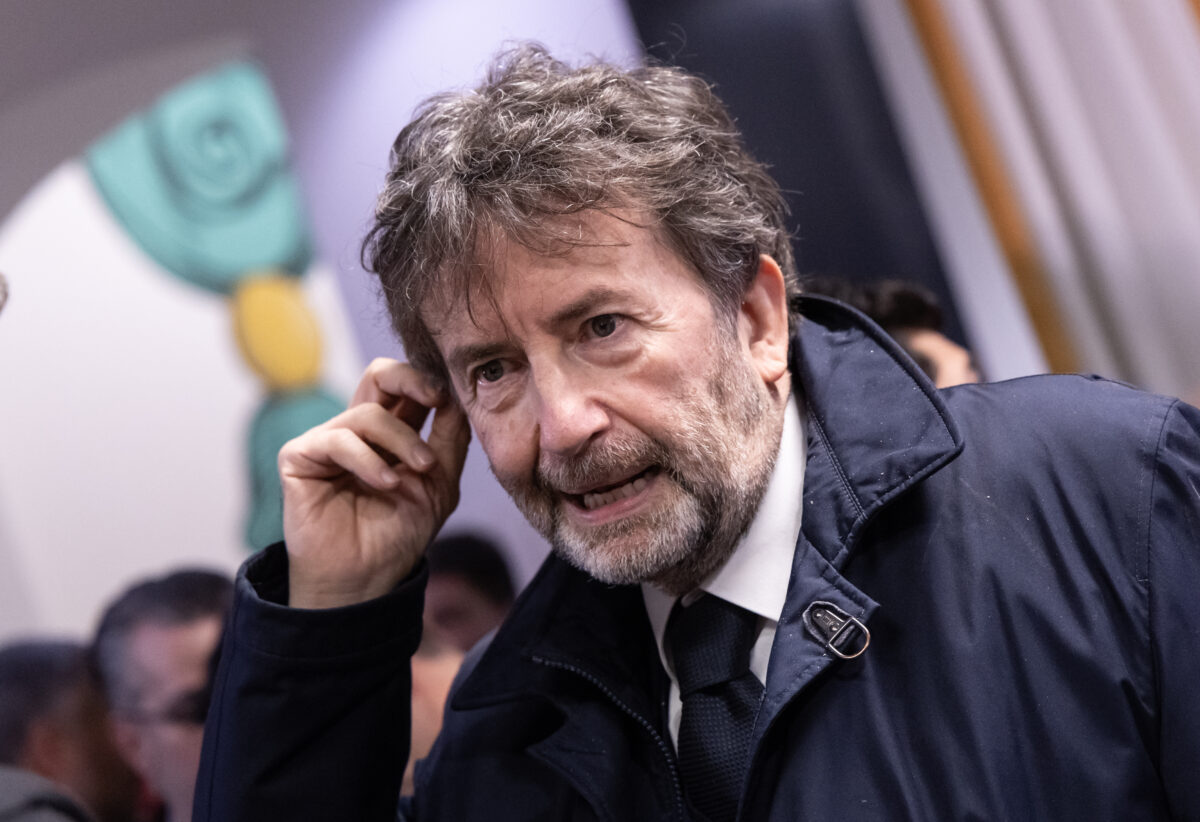
Dario Franceschini: ‘I’ve had Parkinson’s for six years, but I’m not giving up – I’m carrying on with my life’

Turin, 31 Aug. (LaPresse) – “I have Parkinson’s. I was diagnosed in November 2020. A friend noticed the way I was moving my hands. Senator Graziano Delrio, who is a doctor, told me: ‘You’re dragging your feet; get yourself checked out.’ It is a disease still shrouded in mystery. Its causes are unknown. It is impossible to prevent. And only the symptoms can be treated: there is no cure, nor does it go into remission. The progression varies from case to case, but it is unstoppable.” PD Senator Dario Franceschini revealed in an interview with the *Corriere della Sera* that he is living with Parkinson’s disease. “Recently, a form of atypical parkinsonism has also developed alongside my condition: it affects my balance, which is becoming increasingly precarious, and causes difficulty speaking. Which, mind you, for a politician might even be a good thing…”, he continued, recounting the onset of the disease. “The diagnosis was a tremendous blow. I’d had a heart attack in 2014, plus a few other minor ailments that were successfully treated. But, in short, these were just the usual bumps in the road that we all sort of expect. Parkinson’s is a different kind of illness; it stays with you for life,” he continued. “My first thought? I thought of my wife, who is much younger than me, and my daughters. Irene, who was just five at the time. Caterina and Maria Elena, who are now 38 and 31 respectively. I imagined the pain, the suffering and the hardship I would cause everyone.” My next thought was an ‘instinctive reaction: to try to hide the illness. Those affected by Parkinson’s tend to feel ashamed. They slur their words, mumble, or stagger as they walk; they look like they’re drunk. Others are shaken by an uncontrollable tremor. In the collective imagination, there’s the boxer Muhammad Ali, who trembles all over, or Pope Wojtyla, isn’t there? These are different symptoms which, in most cases, nevertheless always trigger the same intense sense of embarrassment. Many sufferers are therefore inclined, quite literally, to hide away. Some even go so far as to conceal the diagnosis from their families; others decide to leave their jobs.” Instead, explains Franceschini, “it’s essential not to lose heart, to wake up in the morning with something to achieve. To try to combat Parkinson’s, as well as taking medication, it is crucial to fill your days and keep telling yourself: I won’t give up, I’ll carry on living, I’ll carry on being here,” he concluded. “The journalist Vincenzo Mollica, who is also forced to cope with this illness, explains it all very well in some wonderful videos posted on YouTube. And, ultimately, this is precisely why I, too, have decided to share my experience.”