
Rome, Nov. 11 (LaPresse) – “The country urgently needs to return to growth. Without stronger growth, we will not be able to sustain wage increases over time, finance quality public services or support demographic and technological transformations”, and “we will not be able to reduce debt”. This was stressed by Confindustria Director General Maurizio Tarquini during a hearing on the budget bill before the Budget Committees of the Chamber of Deputies and the Senate. Tarquini cited forecasts from Confindustria’s Research Centre, which “highlight the scale of the problem. After GDP growth estimated at 1% in 2026, a slowdown to 0.6% is expected in 2027, based on optimistic assumptions. These forecasts highlight the fragility of the macroeconomic environment in which this budget bill is being introduced. We are aware of the need to consolidate public finances, but we must consider a genuine multi-year industrial strategy that is stable and ambitious”. “The experience of the NRRP,” he stressed, “has shown that multi-year planning can direct resources, reforms and administrative capacity. We must ensure that this momentum does not run out, by defining a national agenda of priority investments, with selected projects, verifiable timelines and the ability to mobilise private capital”. “Our priorities”, which are interconnected, are to “structurally reduce energy costs”, “promote the strengthening of companies’ capital base and their growth in size”, and “give new impetus to industrial policy by consolidating horizontal instruments supporting the production system and strengthening targeted measures in strategic technologies and supply chains”.
Budget, Confindustria: “The country urgently needs to return to growth, an ambitious strategy is needed”
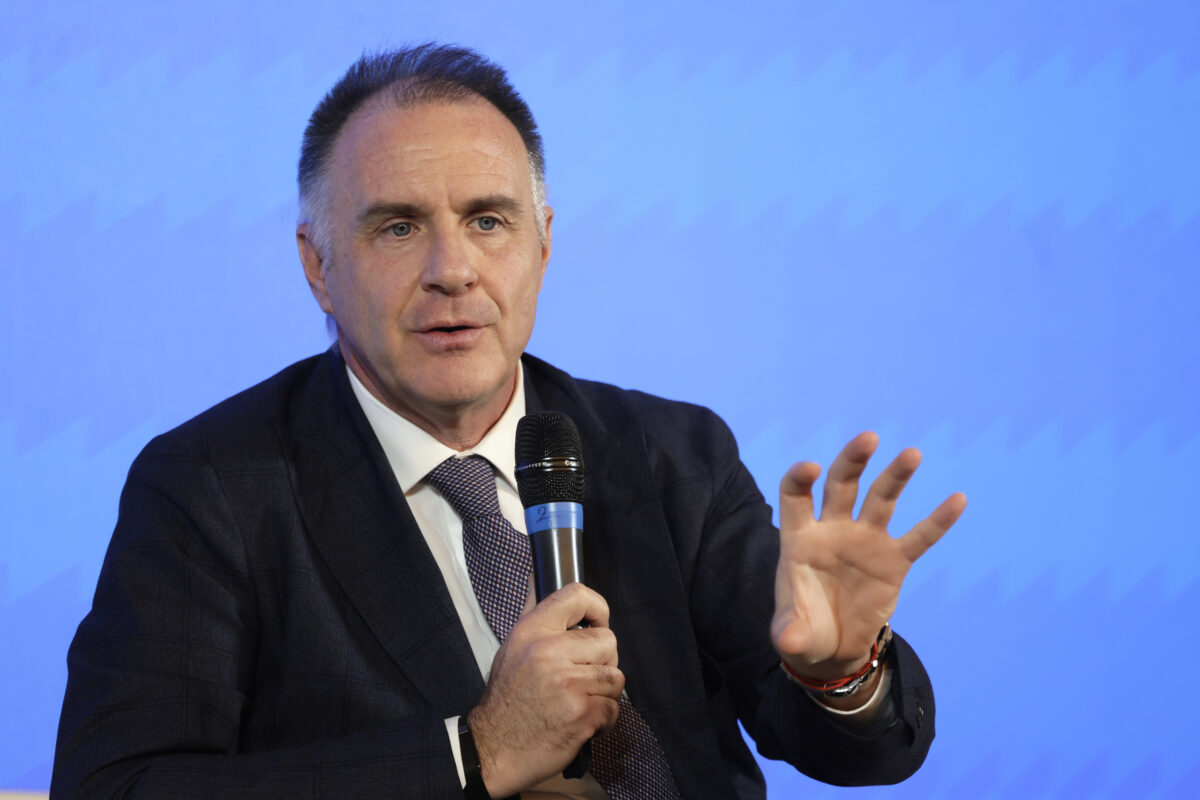

Rome, Nov. 11 (LaPresse) – “The country urgently needs to return to growth. Without stronger growth, we will not be able to sustain wage increases over time, finance quality public services or support demographic and technological transformations”, and “we will not be able to reduce debt”. This was stressed by Confindustria Director General Maurizio Tarquini during a hearing on the budget bill before the Budget Committees of the Chamber of Deputies and the Senate. Tarquini cited forecasts from Confindustria’s Research Centre, which “highlight the scale of the problem. After GDP growth estimated at 1% in 2026, a slowdown to 0.6% is expected in 2027, based on optimistic assumptions. These forecasts highlight the fragility of the macroeconomic environment in which this budget bill is being introduced. We are aware of the need to consolidate public finances, but we must consider a genuine multi-year industrial strategy that is stable and ambitious”. “The experience of the NRRP,” he stressed, “has shown that multi-year planning can direct resources, reforms and administrative capacity. We must ensure that this momentum does not run out, by defining a national agenda of priority investments, with selected projects, verifiable timelines and the ability to mobilise private capital”. “Our priorities”, which are interconnected, are to “structurally reduce energy costs”, “promote the strengthening of companies’ capital base and their growth in size”, and “give new impetus to industrial policy by consolidating horizontal instruments supporting the production system and strengthening targeted measures in strategic technologies and supply chains”.