
Milan, Nov. 3 (LaPresse) – “Hacker attacks targeting Italian supermarkets risk harming consumers twice over, causing food shortages and driving up retail prices for numerous products.” This is the warning issued by Codacons following the alarm raised in Italy after several stores were targeted by cyberattacks. “The shutdown of refrigerators and cooling systems causes significant financial damage to the supermarkets involved, as any interruption in the cold chain means that frozen or low-temperature refrigerated products are no longer suitable for sale and must be destroyed,” Codacons explains. “These include a wide range of products such as meat, fish, milk, yogurt, cream, butter, cheese, as well as cured meats, fresh pasta, cakes and desserts, packaged salads, ready meals, not to mention the extensive range of frozen products (vegetable soups, ice cream, vegetable purées, bagged vegetables, etc.).” “The affected supermarkets therefore suffer substantial financial losses, both in terms of products that can no longer be sold and reduced sales, losses that risk being passed on to end consumers through higher retail prices,” Codacons warns. “Added to this is the possibility of shortages of fresh products in areas affected by cyberattacks, with the resulting risk of price increases for goods still available on the market.” “This situation would add to the already steep increases in food prices currently underway in Italy, with retail prices experiencing sharp rises due to the war in the Middle East,” Codacons concludes.
Hacker attacks, Codacons: “Risk of further price increases for consumers”
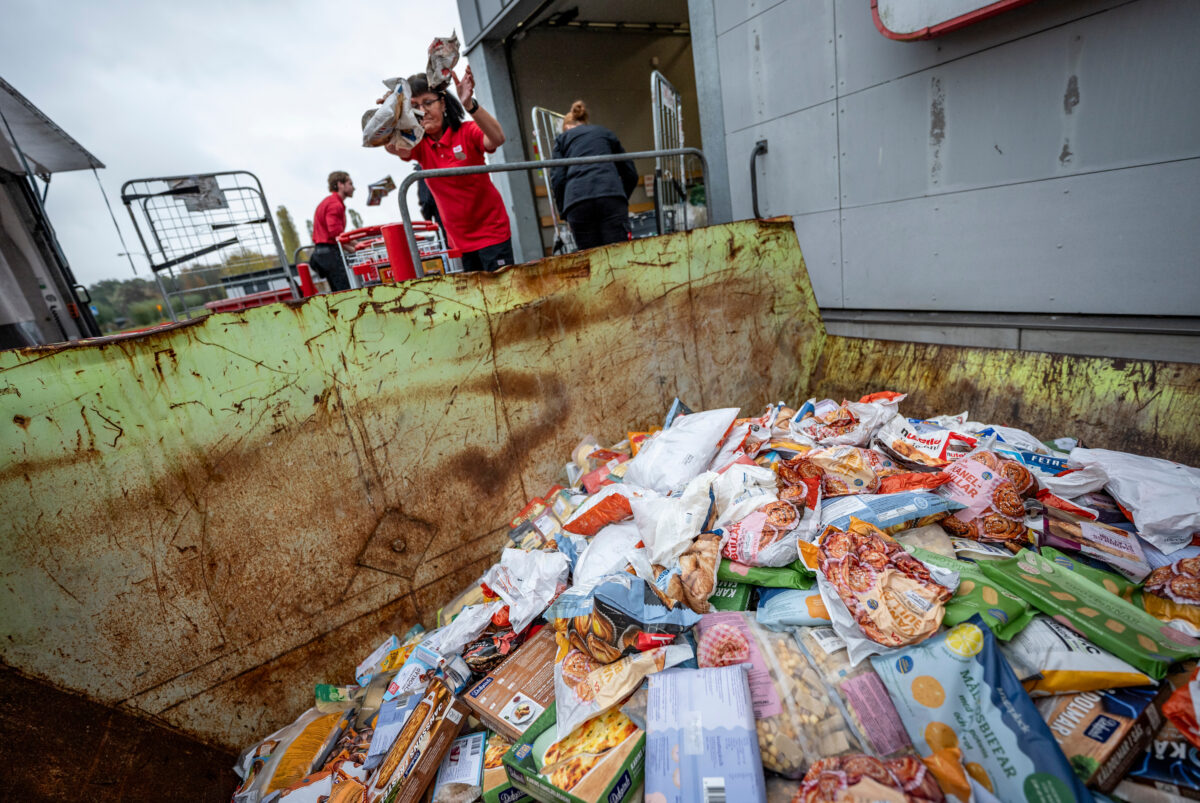

Milan, Nov. 3 (LaPresse) – “Hacker attacks targeting Italian supermarkets risk harming consumers twice over, causing food shortages and driving up retail prices for numerous products.” This is the warning issued by Codacons following the alarm raised in Italy after several stores were targeted by cyberattacks. “The shutdown of refrigerators and cooling systems causes significant financial damage to the supermarkets involved, as any interruption in the cold chain means that frozen or low-temperature refrigerated products are no longer suitable for sale and must be destroyed,” Codacons explains. “These include a wide range of products such as meat, fish, milk, yogurt, cream, butter, cheese, as well as cured meats, fresh pasta, cakes and desserts, packaged salads, ready meals, not to mention the extensive range of frozen products (vegetable soups, ice cream, vegetable purées, bagged vegetables, etc.).” “The affected supermarkets therefore suffer substantial financial losses, both in terms of products that can no longer be sold and reduced sales, losses that risk being passed on to end consumers through higher retail prices,” Codacons warns. “Added to this is the possibility of shortages of fresh products in areas affected by cyberattacks, with the resulting risk of price increases for goods still available on the market.” “This situation would add to the already steep increases in food prices currently underway in Italy, with retail prices experiencing sharp rises due to the war in the Middle East,” Codacons concludes.